
Author – Daya Pawar
Book Introduction / Review -translated in English
Reviewer in Marathi: Aarav Raut, Class 10th, JNV Amravati (Maharashtra)
This introduction/review of the book Jaglya was originally written in Marathi by me. You can find the original Marathi version at the following link.
The book itself is also originally written in Marathi. This English translation of the book introduction/review is a small effort to bring the story and its powerful message to a wider audience. The English translation has been done verbatim by my father, with care to retain the original flow and meaning. Aarav raut
Introduction to the Book
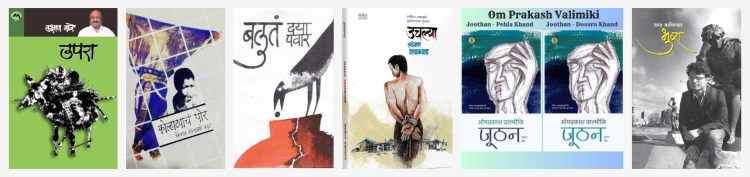
After a long time, I got the opportunity to read Jaglya, a book from Marathi Dalit literature. Earlier, I had read Marathi Dalit autobiographies such as Uchlya, Joothan, Upara, Bhura, Kolhatyacha Por, and Baluta.
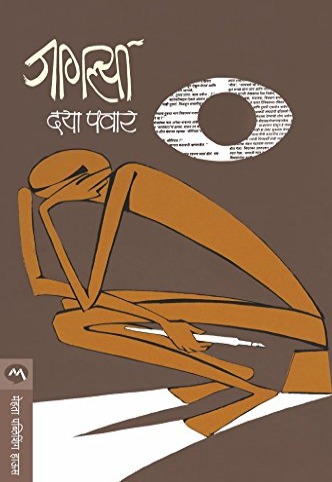
I had issued the book Jaglya from my school library. This book has been written in Marathi by Daya Pawar and published by Mehta Publishing House. Dalit life, the caste system, and social contradictions are the main themes of this book.
Author and Writing Style
Jaglya is the second book by Daya Pawar that I have read. Earlier, I had read his autobiography Baluta. In Baluta, he has described the minute experiences of his life in a very neutral manner. The same intense realistic perspective is also seen in Jaglya. This book has been written in the form of column articles, and his sharp and direct language style is strongly evident in it.
Structure and Themes of the Book
Jaglya is a collection of 31 stories and is a book of a total of 110 pages. Through these stories, Daya Pawar has commented in strong language on many issues in society, especially on topics such as reservation, religion, politics, and economic exploitation. Stories such as Itha Nako Ka Tumhala Reservation, Ita, Bofors, Lagin, Jag Badal Ghaluni Ghav, Faral, Bhimraj, Chilakhat Nidhi, and Amina are included in this collection.
A Story That Stood Out: Bofors
I especially liked the story Bofors. In this story, the author has described Bofors as black money. In the story, a king and a minister roam around their kingdom in disguise. They feel that there is no Bofors in their kingdom. However, in the end, they find it in the court of justice itself. In this story, Bofors is shown as being omnipresent like God, and the author has described it as “present in water, on land, in wood, and in stone.”
Questioning Caste-Based Labour
In the story Itha Nako Ka Tumhala Reservation, Daya Pawar has sharply questioned why there is 100 percent reservation only for the Bhangi community in the work of cleaning toilets. The author places a direct question before the readers as to when other communities will take up this work.
Critique of Social and Religious Contradictions
In the story Lagin, a sharp critique has been made of people belonging to the Hindu religion. The author has commented ironically on the social contradiction that in one’s religion there is no provision for marrying into another religion, but forcibly abducting someone is not considered a crime.
Depiction of a Harsh Social Reality
In the story Jag Badal Ghaluni Ghav, there is a description of Annabhau Sathe’s funeral procession. Even in Russia, his literature was widely popular. Yet, the fact that there was not even a single rupee for Annabhau’s last rites emerges as a harrowing social reality through this story.
Other Significant Stories
Chilakhat Nidhi is a story based on the concept of a “hafta” through which small businesses are given so-called protection. In the story Bhimraj, the present situation has been analyzed through a conversation between Ram and Hanuman.
Overall Reading Experience
Through these small stories, I gained information about many subjects. Since there were not many new or difficult words, the reading was easy. In the end, it feels that Jaglya is not merely a collection of stories but writing that holds a mirror up to society. This book inspired me to read even more books, and that is the greatest strength of this reading experience.
 आरव की डायरी